
The Essence of Luck in Gambling
Luck is often regarded as a pivotal factor in the realm of gambling, distinguishing it from other forms of entertainment or competition. Unlike skill-based activities where practice and strategy play a crucial role, gambling outcomes are significantly influenced by chance. This randomness creates a unique excitement, as players never truly know when fortune will smile upon them. The thrill of uncertainty keeps participants engaged, eagerly anticipating each turn of fate while placing their bets at online casino australia , where this unpredictable nature of luck is what fuels the passion of many gamblers, transforming simple bets into exhilarating experiences filled with hope and excitement.
In essence, luck can be perceived as a double-edged sword in gambling scenarios. On one hand, it can lead to unexpected victories, where an unlikely bet turns into a substantial win. For instance, a player may hit a jackpot on a slot machine with a simple spin, changing their life in an instant. On the other hand, bad luck can result in losses that might seem unjust, leading to frustration among players. This unpredictable nature is what makes gambling a compelling activity for many, as the possibility of a major win can overshadow the risks involved. This duality of luck creates a dynamic environment where players constantly balance hope and despair.
The allure of luck in gambling is also tied to the concept of risk-taking. The element of chance invites individuals to put their instincts and hopes on the line, often creating memorable experiences and stories to share. Whether it’s a last-minute decision to double down in blackjack or a spontaneous slot machine spin, these moments reflect the deep-seated human desire to test one’s fortune, which is at the heart of the gambling experience. The narratives that emerge from these encounters often become part of personal lore, enhancing the appeal of gambling beyond mere financial stakes.
The Psychology of Gambling and Luck
The psychological aspects of gambling are profoundly intertwined with the idea of luck. Players often develop a personal belief system regarding luck, and some even attribute their successes or failures to specific rituals or superstitions. This mental framework can significantly affect how they approach games, influencing their betting strategies and overall enjoyment. For some, wearing a lucky charm or following specific routines becomes an essential part of the gambling ritual, reinforcing their connection to luck. This psychological component underscores how deeply ingrained the concept of luck is in the gambling experience.
This phenomenon is often explored in studies related to gambling behavior, revealing how players’ perceptions of luck can lead to a variety of outcomes. Those who believe they have control over their luck may engage in more aggressive betting, while others who feel at the mercy of chance might adopt a more conservative approach. This subjective interpretation of luck can lead to diverse gambling experiences, as different players navigate their beliefs and strategies based on personal perceptions. Understanding one’s psychological relationship with luck can provide insights into gambling habits and tendencies, offering a glimpse into the complex world of human behavior.

Moreover, the role of luck in gambling can also create a paradox where players may find themselves chasing losses. The belief that a turn of luck is just around the corner can lead to extended gambling sessions, as they attempt to recoup their losses. This behavior exemplifies the compelling nature of luck, demonstrating how it can both entice and mislead individuals in pursuit of their gambling endeavors. The fine line between hope and desperation makes gambling a deeply emotional experience, where luck can often dictate the highs and lows of a player’s journey.
Games of Chance versus Skill
In the world of gambling, games can generally be categorized into two distinct groups: games of chance and skill-based games. Games like slots, roulette, and lotteries are quintessential examples of chance, where outcomes are determined purely by random events. In these scenarios, luck reigns supreme, as even the most seasoned gambler cannot predict or influence the results. The excitement that comes from the spin of a wheel or the pull of a lever is fueled by the potential for surprise, where fortunes can shift in an instant. This unpredictability creates a unique atmosphere where excitement and suspense coalesce with the mere act of placing a bet.
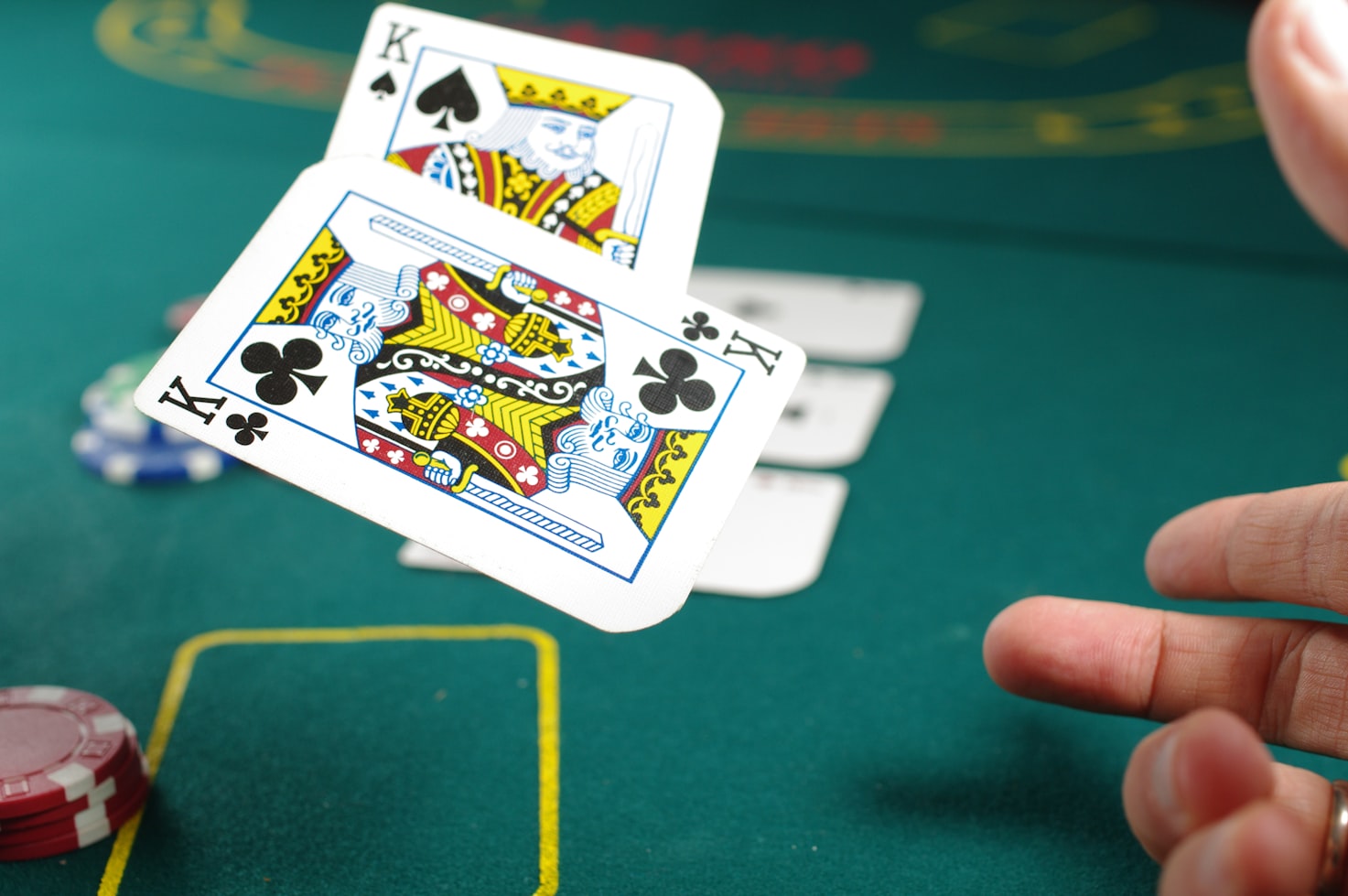
Conversely, games such as poker and blackjack blend skill with luck, presenting players with opportunities to employ strategies while still being susceptible to the whims of fate. While experienced players may have an edge due to their understanding of probabilities and psychology, the inherent randomness still plays a crucial role in determining the final outcome. This interplay between skill and luck enhances the complexity of the gambling experience, as players must navigate both their knowledge and chance. The challenge lies in balancing these elements, making each session an intriguing battle of wits against fate.
The distinction between games of chance and skill highlights the multifaceted nature of gambling and reinforces the significance of luck. As players navigate through the various games available, they engage with luck in different ways, accepting its role as both a challenge and a companion in their gambling journey. This fluid relationship with chance is what continually draws individuals into the vibrant world of gambling, creating a tapestry of experiences that are as diverse as the players themselves. Ultimately, whether relying on luck or skill, the journey through gambling is uniquely personal for each individual.
The Cultural Significance of Luck in Gambling
Throughout history, the concept of luck has held a vital place in gambling culture across various societies. Different cultures have their unique interpretations and symbols of luck, which influence their approach to gambling. For instance, in many Asian cultures, certain numbers are considered lucky or unlucky, impacting betting behavior and game choices. This cultural backdrop imbues gambling with deeper meanings and practices, making it more than just a simple game of chance. The rituals and beliefs surrounding luck often enhance the gambling experience, connecting players to their heritage and traditions.
Moreover, the cultural significance of luck in gambling can be seen during festive occasions or events where gambling is a central theme. For example, during the Lunar New Year, many individuals partake in games that not only focus on winning but also embody the hope for a prosperous year ahead. Such traditions reflect a collective understanding of luck as a communal experience, binding people together in the pursuit of fortune. This shared belief in luck fosters a sense of community, as individuals come together to celebrate both wins and losses.
Furthermore, various mediums, including films, literature, and art, often romanticize the notion of luck in gambling, portraying it as a transformative force. These representations can shape public perceptions, glorifying the potential for overnight success while omitting the realities of risk and loss. As such, the cultural context surrounding gambling and luck contributes to an ongoing narrative that captivates audiences and perpetuates the allure of chance. This storytelling aspect enhances the appeal of gambling, making it a culturally rich phenomenon that transcends mere gameplay.
Understanding the Role of Luck on Gambling Websites
In the digital age, gambling has transcended traditional casinos, finding new life on various online platforms. These gambling websites harness the essence of luck by providing a myriad of games that cater to different preferences. Players can explore everything from classic games to innovative variations, all while relying on luck as a driving force behind their decisions. The accessibility of these platforms allows individuals to engage with luck from the comfort of their homes, further enhancing the thrill of the experience. This convenience has opened the doors to a new generation of gamblers who seek the excitement of chance without the constraints of physical locations.
Additionally, many online gambling sites implement algorithms and random number generators to ensure fair play, thereby reinforcing the principle of luck. The inherent randomness in these virtual environments mirrors that of physical casinos, creating an equitable playing field for participants worldwide. This technological advancement not only preserves the excitement of chance but also cultivates a sense of trust among players, who feel assured their luck will be honored. As a result, the online gambling experience becomes a blend of traditional elements and modern innovations, appealing to a wide audience.
As online gambling continues to evolve, the significance of luck remains a central theme that captivates players. The blend of technology, chance, and game diversity creates a rich tapestry of experiences, fostering an environment where luck can be embraced, celebrated, and explored. With an ever-growing community of gamblers engaging in this virtual space, the importance of luck in gambling will undoubtedly continue to thrive, shaping its future narrative. The continued evolution of these platforms ensures that luck will remain a key player in the ongoing story of gambling.
